
Secure Access. Complete Control.
Manage user roles and permissions with precision, protect critical actions with OTP verification, and ensure full visibility with detailed activity tracking.
User Level Security for Data Protection
MaxxERP ensures your business data stays protected by controlling user access across modules and operations. Assign role-based permissions, enable OTP verification for sensitive actions, and monitor complete activity logs for full transparency. With structured access management and real-time tracking, you can prevent unauthorized changes, strengthen internal control, and maintain higher accountability across your organization.
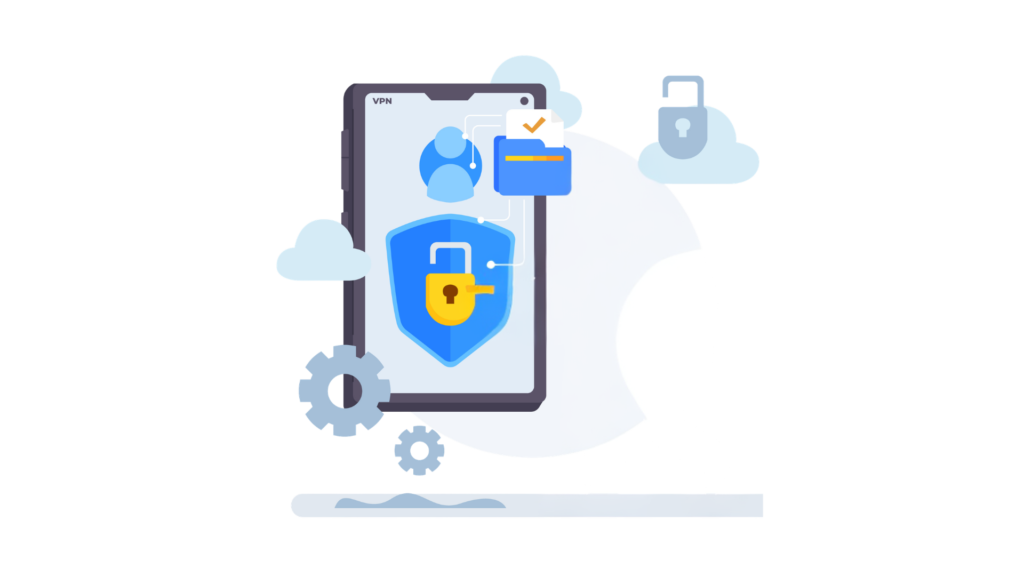
Feature Highlight
01
Role-Based Access Control
Assign roles and manage access rights user-wise.
02
Module-Level Permissions
Restrict access to specific modules and features.
03
OTP Authorization for Edit/Delete
Secure sensitive actions with OTP verification.
04
Complete User Activity Logs
Track actions performed by each user for transparency.
05
Better Internal Control & Accountability
Prevent unauthorized changes and reduce risks.
06
Secure Business Operations
Protect important financial and customer data easily.
FAQs
It controls what each user can access and perform in the system based on assigned permissions. This follows the principle of Role-Based Access Control (RBAC) (https://en.wikipedia.org/wiki/Role-based_access_control), which improves system security and accountability.
Yes, MaxxERP allows module-level permissions for complete control. You can restrict access to specific features such as accounting, inventory, reports, or billing based on user roles, ensuring that employees only access what is relevant to their responsibilities.
Yes, OTP authorization can be enabled for sensitive actions like edit or delete entries. This adds an extra layer of security by requiring verification before critical changes are made, reducing the risk of unauthorized modifications.
Yes, MaxxERP provides detailed user activity logs for monitoring. You can track who performed which action, at what time, and in which module, improving transparency and internal accountability.
Any business managing multiple users and handling sensitive financial or customer data should use it. It is especially useful for organizations that require strict access control, internal monitoring, and secure operational workflows.